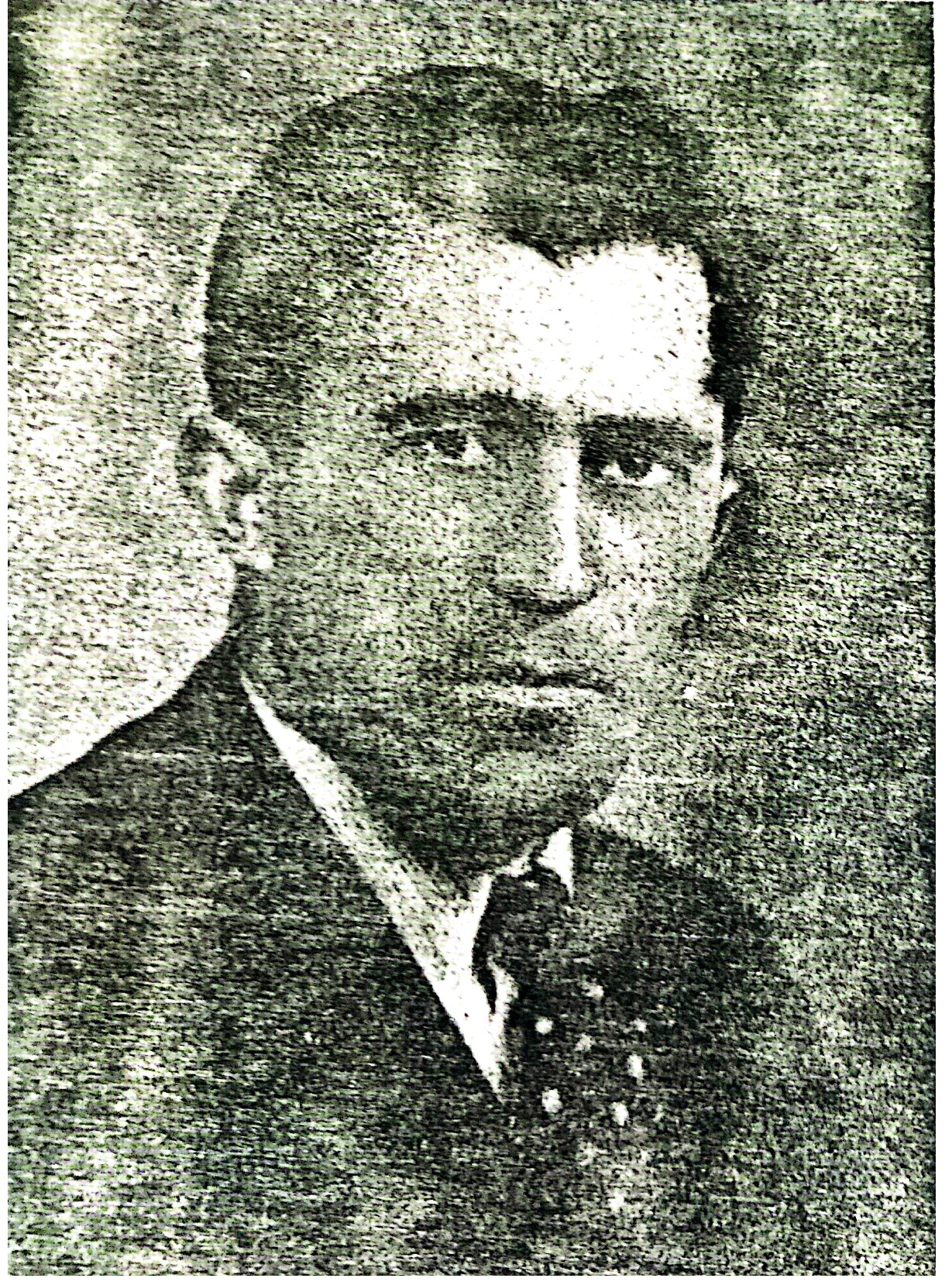
Teodoro Galli
Teodoro was born in 1908 in San Dalmazio Monfestino, a charming village in the Modena Apennines. Having moved to Sesto San Giovanni for work, he was hired as a mechanic at the Falck Vulcano plant. We do not know his specific opinions on Fascism or the war, but we know he was arrested on March 28, 1944, the same day as nearly all those arrested from Falck. This was the retaliation carried out by the Nazis against the strikers, who were considered dangerous opponents. In reality, it was the Fascists who arrested the workers: at home by night or day, in the factories, or on the streets. In the month of March alone, 220 workers were arrested in Sesto San Giovanni.
Teodoro was captured at home and then imprisoned with the others at San Vittore for a few days; his name appears in the Streikertransport (strikers' transport) drafted by the SS. Finally, he was taken with the others by truck to Bergamo, where the convoy of those arrested in Piedmont and throughout Lombardy was being formed. On April 6, 242 people departed in sealed wagons, arriving at Mauthausen on the 8th. Teodoro was assigned to the terrible subcamp of Gusen, likely destined for armament production. The possibility of working indoors—despite the harassment, the freezing living conditions, and the lack of food—allowed him to survive for a year. In the end, his body gave way: he died of deprivation and exhaustion on the very day before the camp was liberated. He was 37 years old.
Teodoro was captured at home and then imprisoned with the others at San Vittore for a few days; his name appears in the Streikertransport (strikers' transport) drafted by the SS. Finally, he was taken with the others by truck to Bergamo, where the convoy of those arrested in Piedmont and throughout Lombardy was being formed. On April 6, 242 people departed in sealed wagons, arriving at Mauthausen on the 8th. Teodoro was assigned to the terrible subcamp of Gusen, likely destined for armament production. The possibility of working indoors—despite the harassment, the freezing living conditions, and the lack of food—allowed him to survive for a year. In the end, his body gave way: he died of deprivation and exhaustion on the very day before the camp was liberated. He was 37 years old.