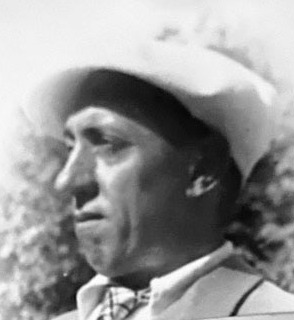
Silvio Ferri
Born on November 11, 1890, in Ferrara, he worked at the ILVA blast furnaces in Savona during the First World War, exempt from conscription due to the essential nature of his work.
After the rise of Fascism, he was asked to join the Fascist Party; he refused, and the harassment by the Blackshirts began. After many months, he decided to move to another city with metallurgical industries and settled in Sesto San Giovanni, which was undergoing rapid development in that sector. He was immediately hired at Breda (Section IV) in the foundry.
An anti-Fascist from the very beginning, he committed himself to the Resistance after September 8, 1943. Silvio procured medical certificates for those in hiding or those who had joined the partisans in the mountains, thanks to a doctor collaborating with the Resistance. Furthermore, he collected funds for the families of those who had been arrested.
The great strikes of March 1944 intensified the repression against participants and those suspected of collaborating with the Resistance. Thus, on the night between March 13 and 14 at 4:00 AM, a group from the GNR (National Republican Guard) entered his home: "Get dressed and come with us."
For his wife and children, an agonized search began, wandering between the Sesto and Milan Police Headquarters and San Vittore prison, until they learned from other wives that the detainees had been sent to Bergamo for deportation to Germany. His wife traveled to Bergamo and managed to see him; she learned of his destination and that he had been starving for days. She returned home, prepared some food, and went back to Bergamo the next day, but it was in vain: the convoy had already departed.
Registered at Mauthausen with the number 58863 and transferred to the terrible Gusen camp, Silvio endured nine months of hunger, cold, and exhausting labor for the Reich's war factories. He died on the night of December 2, 1944.
In the meantime, without knowing anything of his fate, the family suffered repeated searches of their home by armed Fascists.
After the rise of Fascism, he was asked to join the Fascist Party; he refused, and the harassment by the Blackshirts began. After many months, he decided to move to another city with metallurgical industries and settled in Sesto San Giovanni, which was undergoing rapid development in that sector. He was immediately hired at Breda (Section IV) in the foundry.
An anti-Fascist from the very beginning, he committed himself to the Resistance after September 8, 1943. Silvio procured medical certificates for those in hiding or those who had joined the partisans in the mountains, thanks to a doctor collaborating with the Resistance. Furthermore, he collected funds for the families of those who had been arrested.
The great strikes of March 1944 intensified the repression against participants and those suspected of collaborating with the Resistance. Thus, on the night between March 13 and 14 at 4:00 AM, a group from the GNR (National Republican Guard) entered his home: "Get dressed and come with us."
For his wife and children, an agonized search began, wandering between the Sesto and Milan Police Headquarters and San Vittore prison, until they learned from other wives that the detainees had been sent to Bergamo for deportation to Germany. His wife traveled to Bergamo and managed to see him; she learned of his destination and that he had been starving for days. She returned home, prepared some food, and went back to Bergamo the next day, but it was in vain: the convoy had already departed.
Registered at Mauthausen with the number 58863 and transferred to the terrible Gusen camp, Silvio endured nine months of hunger, cold, and exhausting labor for the Reich's war factories. He died on the night of December 2, 1944.
In the meantime, without knowing anything of his fate, the family suffered repeated searches of their home by armed Fascists.