Primo Bulgarelli
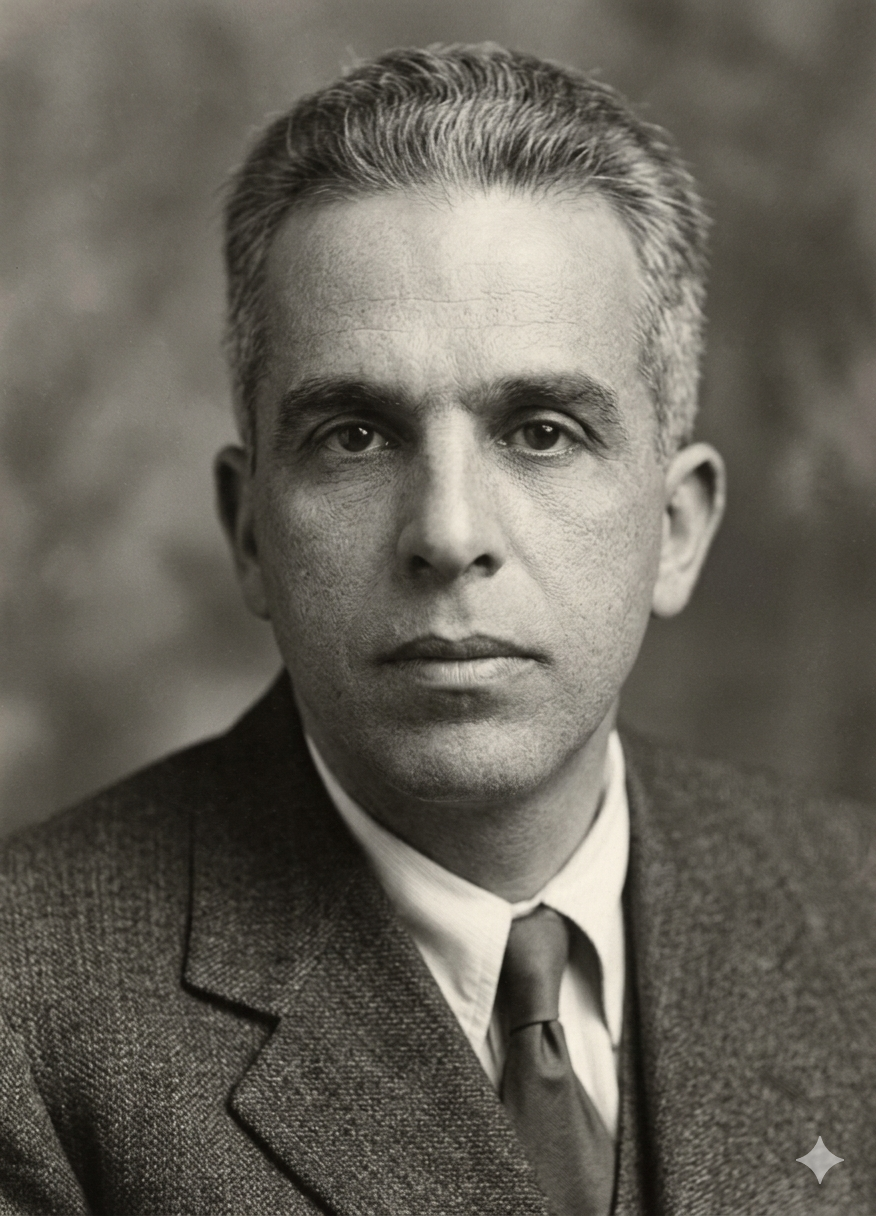
He was born in the province of Mantua in 1900, in the fertile region bordering Emilia-Romagna.
The entire family (there were ten children) moved to Sesto San Giovanni in 1928, following the severe Fascist harassment of their father, an early anti-Fascist. In Sesto, the father started a small artisanal production of straw hats, while the older children found work, all of them staunchly involved in the Resistance. Primo was hired at Breda (Section II) as a pattern maker, maintaining contacts with comrades from the clandestine PCdI (Communist Party of Italy); his brother Giovanni, a barber, distributed clandestine press from the back of his shop; their sister Siviglia served as a courier (staffetta) for the partisans.
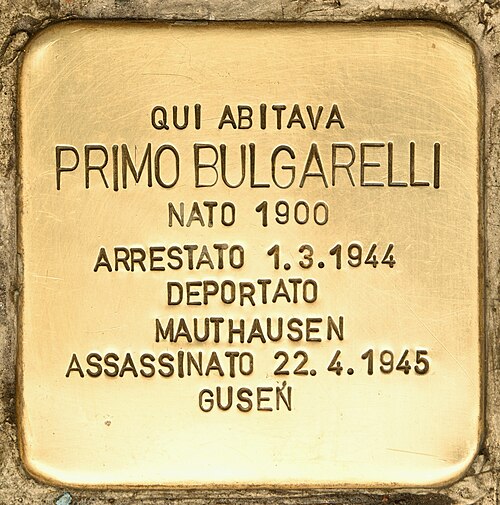
Primo was arrested on the night of March 1, 1944, the night before the strikes began. Carabinieri and uniformed Fascists violently entered his home and dragged him away while he was sleeping. He remained at San Vittore for a couple of days before being sent to the Fossoli transit camp; his sister Siviglia tried to reach him there, but was unable to see him. Just a few days later, on March 8, Primo was loaded onto a freight train bound for Mauthausen, where he arrived on March 11, 1944.
With no time even for quarantine, by March 29 he had already been transferred to Gusen II, where DEST (an SS-owned company created to procure and produce construction materials for state projects in Nazi Germany) had begun forcing deportees to excavate tunnels intended to shield armaments production. The work in the tunnels was grueling: for 12 hours a day, they carried out excavations with no regard for the workers' safety; deaths and injuries occurred day after day.
Primo's strong constitution allowed him to survive for 12 months, whereas the average survival time for prisoners was nine months. He died of "circulatory collapse"—according to the official version—on April 22, 1945, though the terrible suspicion remains that in those final days, the weak, the sick, and the disabled were murdered en masse in the gas chambers.
The entire family (there were ten children) moved to Sesto San Giovanni in 1928, following the severe Fascist harassment of their father, an early anti-Fascist. In Sesto, the father started a small artisanal production of straw hats, while the older children found work, all of them staunchly involved in the Resistance. Primo was hired at Breda (Section II) as a pattern maker, maintaining contacts with comrades from the clandestine PCdI (Communist Party of Italy); his brother Giovanni, a barber, distributed clandestine press from the back of his shop; their sister Siviglia served as a courier (staffetta) for the partisans.
Primo was arrested on the night of March 1, 1944, the night before the strikes began. Carabinieri and uniformed Fascists violently entered his home and dragged him away while he was sleeping. He remained at San Vittore for a couple of days before being sent to the Fossoli transit camp; his sister Siviglia tried to reach him there, but was unable to see him. Just a few days later, on March 8, Primo was loaded onto a freight train bound for Mauthausen, where he arrived on March 11, 1944.
With no time even for quarantine, by March 29 he had already been transferred to Gusen II, where DEST (an SS-owned company created to procure and produce construction materials for state projects in Nazi Germany) had begun forcing deportees to excavate tunnels intended to shield armaments production. The work in the tunnels was grueling: for 12 hours a day, they carried out excavations with no regard for the workers' safety; deaths and injuries occurred day after day.
Primo's strong constitution allowed him to survive for 12 months, whereas the average survival time for prisoners was nine months. He died of "circulatory collapse"—according to the official version—on April 22, 1945, though the terrible suspicion remains that in those final days, the weak, the sick, and the disabled were murdered en masse in the gas chambers.