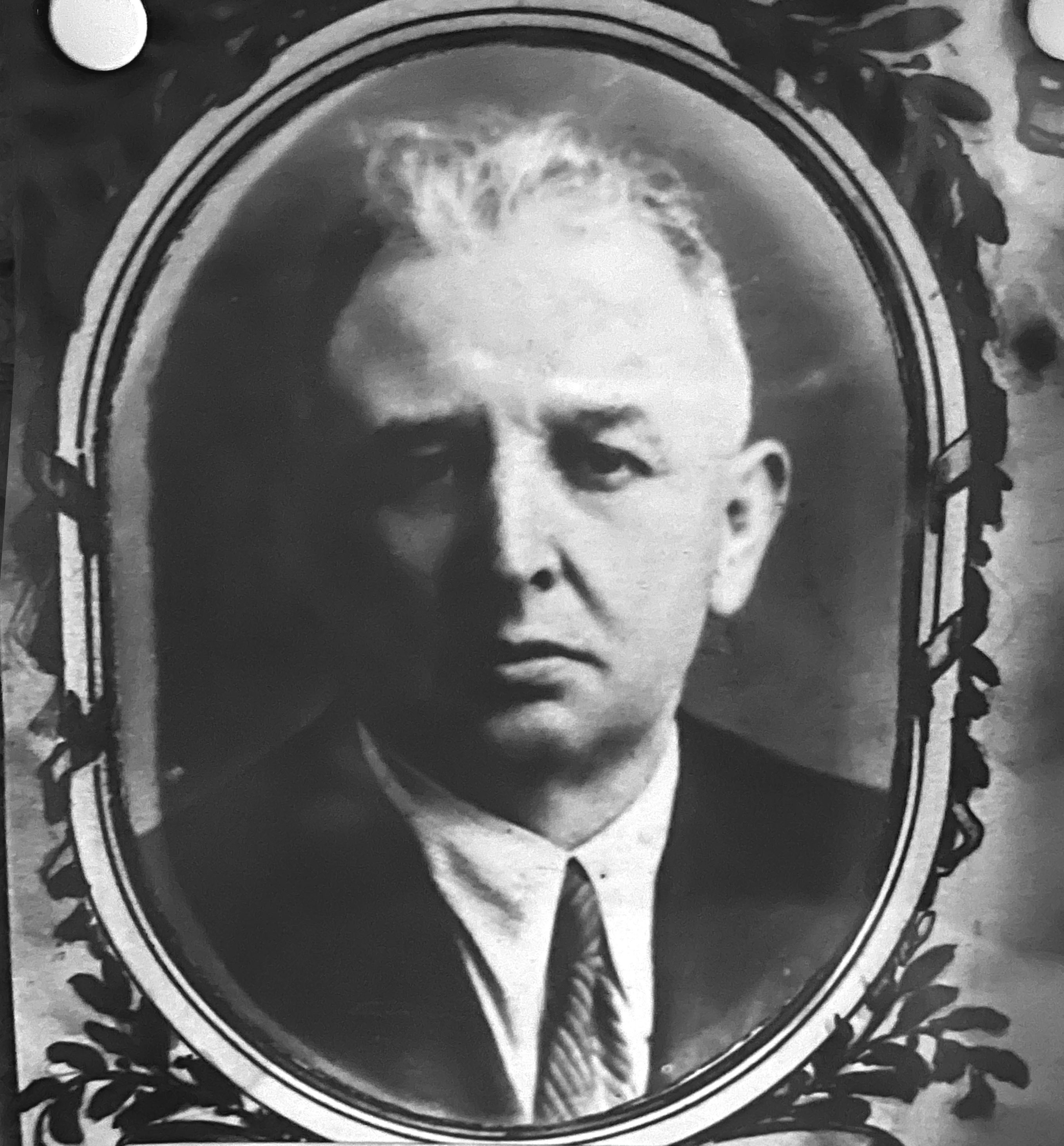
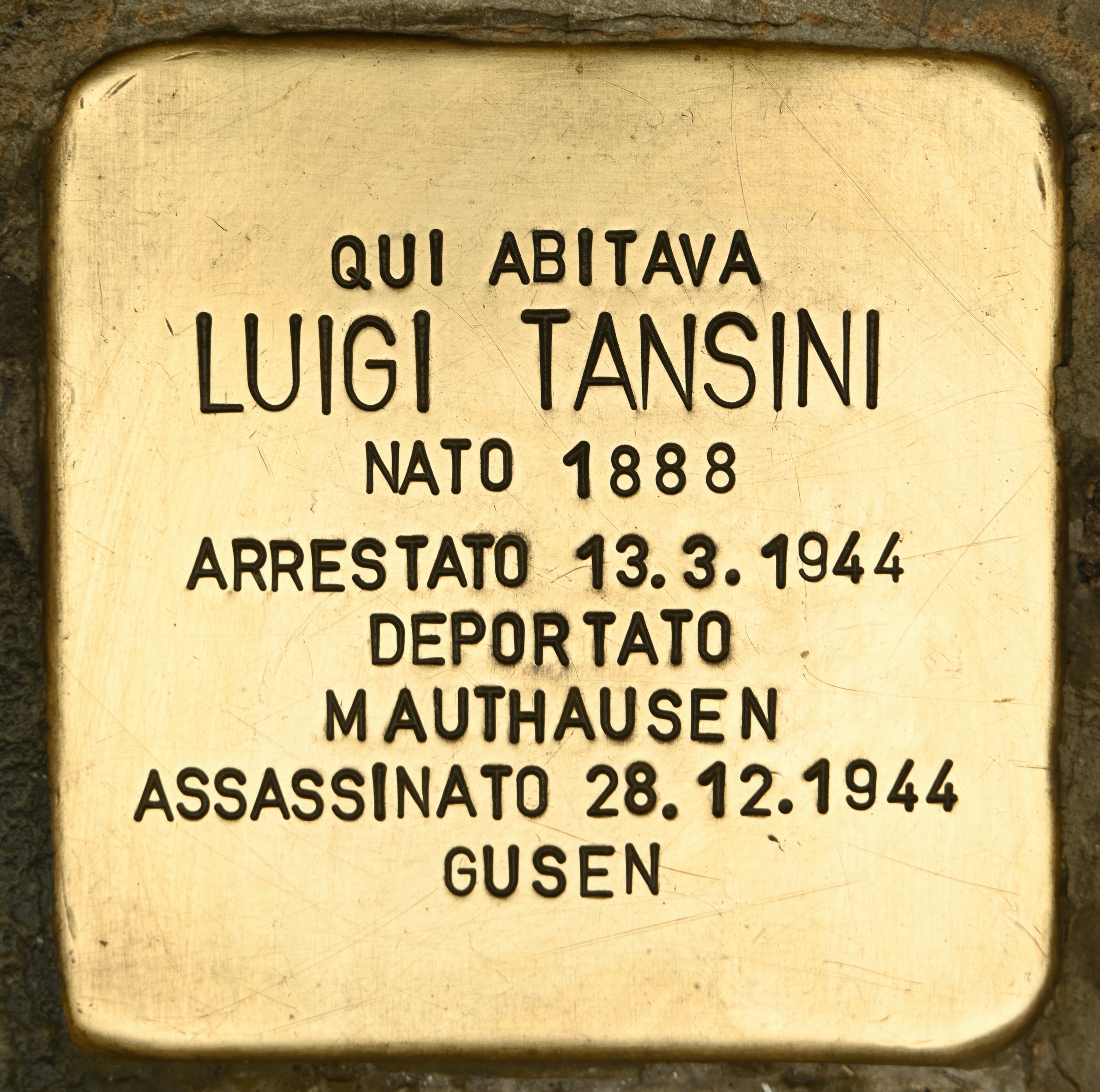
Luigi Giovanni Tansini
He was born in Paderno Cremonese in 1888. In 1910, he moved to Sesto, where he found work at Falck. An anarchist by conviction, he was fired from Falck in 1917 and, in 1935, sentenced to three years of internal exile (confino) by the Special Tribunal for the Defense of the State for anti-Fascist speeches and for opposing the war in Abyssinia. After serving his sentence, he was hired at Breda (Section V), where he worked as a chief electrician.
He was arrested near his home immediately following the strikes of March 1944; records show him imprisoned at San Vittore on March 13. After more than a month of detention, he was sent on April 27 to the Fossoli transit camp. On May 17, he was wounded in the back during an Allied aerial strafing of the camp, remaining in the infirmary for two months. On July 22, he was transferred to Bolzano, and finally, a few days later on August 5, he departed for the Mauthausen concentration camp, where the metal tag with number 82532 was fastened to his wrist.
Transferred to the Gusen II subcamp, where he was utilized as an electrical technician—likely in the construction of Messerschmitt aircraft—he did not long withstand the privations and harsh living conditions. He died on December 28, 1944, of "organic decay and cardiac weakness" at the age of 56. It was not until June 1946 that his family received official notification of his death.
He was arrested near his home immediately following the strikes of March 1944; records show him imprisoned at San Vittore on March 13. After more than a month of detention, he was sent on April 27 to the Fossoli transit camp. On May 17, he was wounded in the back during an Allied aerial strafing of the camp, remaining in the infirmary for two months. On July 22, he was transferred to Bolzano, and finally, a few days later on August 5, he departed for the Mauthausen concentration camp, where the metal tag with number 82532 was fastened to his wrist.
Transferred to the Gusen II subcamp, where he was utilized as an electrical technician—likely in the construction of Messerschmitt aircraft—he did not long withstand the privations and harsh living conditions. He died on December 28, 1944, of "organic decay and cardiac weakness" at the age of 56. It was not until June 1946 that his family received official notification of his death.