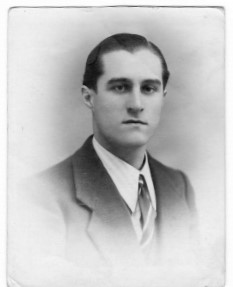
Guglielmo Sistieri
Guglielmo Sistieri was born on May 11, 1912, in Granze di Vescovana in the province of Padua. Having moved to Sesto San Giovanni in the 1930s, he was hired at Falck in 1935. He frequently met with Marcante, Cardellini, and Biffi—who were also later arrested and deported—at the bar near the Dante cinema to organize factory resistance against the Fascist war, and he also played in a small orchestra.
He was a member of the clandestine National Liberation Committee within the factory, but even when participating in strikes, he told his wife nothing, perhaps to spare her from worry since they had a young daughter. Following the great strike of March 1, 1944, they came to take him "for information" during the night between March 27 and 28, 1944. He was taken to San Vittore; his wife managed to track him down after visiting every police station, but she was not allowed to see him. When she learned from other wives that the prisoners were being sent to Bergamo, she tried to speak with him. During the meeting in the large room on the top floor of the Umberto I barracks in Bergamo, she saw him overcome with emotion and in tears, without being able to embrace him.
On April 5, the prisoners were marched toward the Bergamo railway station and loaded onto sealed freight wagons. He arrived at Mauthausen three days later and was registered with the number 61755. On April 26, he was assigned to the Gusen subcamp: a large satellite camp of Mauthausen, notorious for its brutal detention conditions and high prisoner mortality rate. Guglielmo’s physical strength held out for eleven months: on March 6, 1945, he was sent back to the Mauthausen medical block, where he died of bronchopneumonia on March 29.
His wife heard nothing more of him from the moment of his departure, but when she saw some of his comrades return, she stated in her testimony to Giuseppe Valota: "I understood on my own that my husband was dead; no one told me anything." It was only in 1964 that the death certificate arrived from the International Archives of the Red Cross.
He was a member of the clandestine National Liberation Committee within the factory, but even when participating in strikes, he told his wife nothing, perhaps to spare her from worry since they had a young daughter. Following the great strike of March 1, 1944, they came to take him "for information" during the night between March 27 and 28, 1944. He was taken to San Vittore; his wife managed to track him down after visiting every police station, but she was not allowed to see him. When she learned from other wives that the prisoners were being sent to Bergamo, she tried to speak with him. During the meeting in the large room on the top floor of the Umberto I barracks in Bergamo, she saw him overcome with emotion and in tears, without being able to embrace him.
On April 5, the prisoners were marched toward the Bergamo railway station and loaded onto sealed freight wagons. He arrived at Mauthausen three days later and was registered with the number 61755. On April 26, he was assigned to the Gusen subcamp: a large satellite camp of Mauthausen, notorious for its brutal detention conditions and high prisoner mortality rate. Guglielmo’s physical strength held out for eleven months: on March 6, 1945, he was sent back to the Mauthausen medical block, where he died of bronchopneumonia on March 29.
His wife heard nothing more of him from the moment of his departure, but when she saw some of his comrades return, she stated in her testimony to Giuseppe Valota: "I understood on my own that my husband was dead; no one told me anything." It was only in 1964 that the death certificate arrived from the International Archives of the Red Cross.