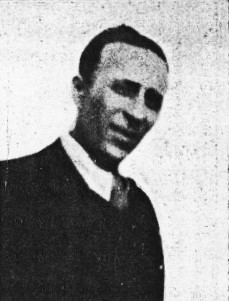
Carlo Toso
Born in 1902 in the province of Rovigo, Carlo—like many others—emigrated from the regions of Northern Italy toward the cities that required an ever-increasing workforce for their industries. In Sesto, he married in 1929 and had an only son, born in 1921. Hired at Breda as a dispenser, he later became a warehouse worker at the Aeronautics Section (V). When his son reached working age, he was also hired at Breda; two salaries, in those days, provided a fair amount of security.
We do not know how long Carlo's ideas had been opposed to Fascism, but the war certainly worsened living and working conditions, triggering a workers' reaction that, starting in March 1943, resulted in demonstrations and rolling strikes for peace and the improvement of canteens and wages. Clandestine factory committees were formed, and Carlo participated in the one at Breda, which organized aid for the first partisan formations.
The general production halt of March '44 caused immediate and brutal Nazi-Fascist retaliation against the workers. Like many Breda comrades, Carlo was arrested during the night between March 13 and 14 and, within a few days, sent to Mauthausen, turned into a slave of the Reich. Three days after his arrival, he was already employed at Gusen, but his body could not endure for long: on April 28, he was brought back to Mauthausen and admitted to the Sanitätslager (infirmary).
Unfortunately, as the SS-Führer announced upon arrival—"Here there are only the living who work or the dead. The sick must die!"—since his weak condition did not improve, Carlo was taken to Hartheim Castle. There, under the fake label of a "convalescent home," those unfit for work were actually gassed to death. Carlo was murdered there on September 9, 1944.
We do not know how long Carlo's ideas had been opposed to Fascism, but the war certainly worsened living and working conditions, triggering a workers' reaction that, starting in March 1943, resulted in demonstrations and rolling strikes for peace and the improvement of canteens and wages. Clandestine factory committees were formed, and Carlo participated in the one at Breda, which organized aid for the first partisan formations.
The general production halt of March '44 caused immediate and brutal Nazi-Fascist retaliation against the workers. Like many Breda comrades, Carlo was arrested during the night between March 13 and 14 and, within a few days, sent to Mauthausen, turned into a slave of the Reich. Three days after his arrival, he was already employed at Gusen, but his body could not endure for long: on April 28, he was brought back to Mauthausen and admitted to the Sanitätslager (infirmary).
Unfortunately, as the SS-Führer announced upon arrival—"Here there are only the living who work or the dead. The sick must die!"—since his weak condition did not improve, Carlo was taken to Hartheim Castle. There, under the fake label of a "convalescent home," those unfit for work were actually gassed to death. Carlo was murdered there on September 9, 1944.